


Choosing a university is one of those decisions that starts with a course name and quickly becomes much bigger. The programme matters, but so do the daily journey, the teaching language, tuition fees, and the kind of academic environment a student needs. Some people thrive on a large campus where something is always happening. Others would rather study somewhere smaller, where it is easier to know the lecturers and recognise the people in the same department.
Jeddah gives students both. The city is home to major public universities, established private institutions, and specialist colleges built around fields such as healthcare, business, and technology. Some offer hundreds of possible routes. Others make more sense for students who already know exactly what they want to study.
There is no university that will be right for everyone. The useful question is not simply which one has the biggest name, but which one offers the right programme, support, and opportunities for the student applying. These universities in Jeddah each provide a different place to begin.
King Abdulaziz University
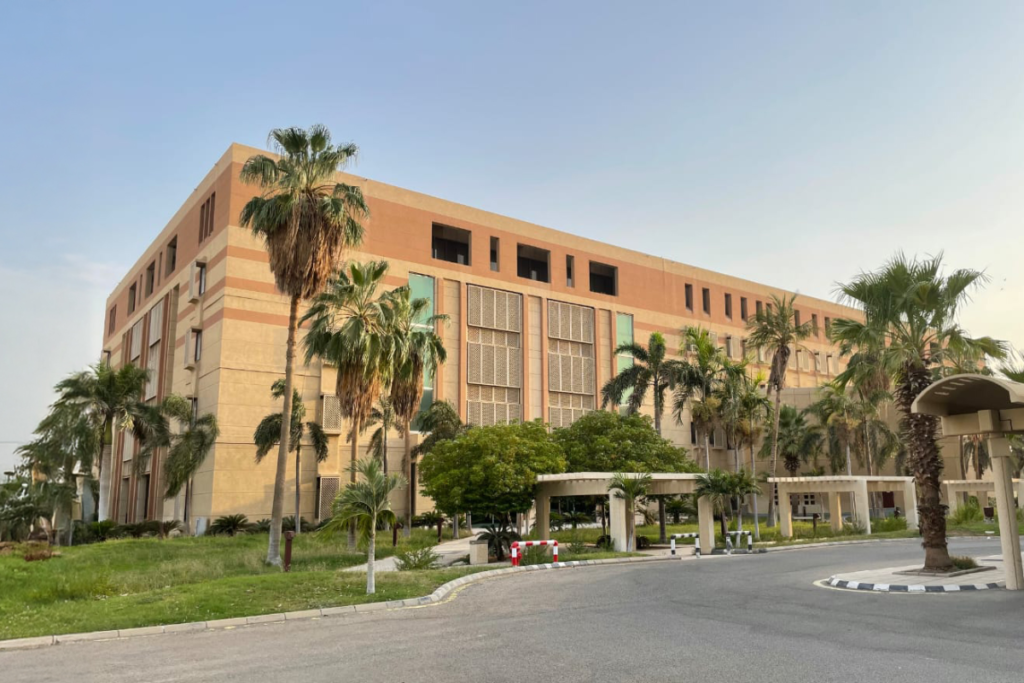
King Abdulaziz University is usually one of the first names mentioned when families begin discussing higher education in Jeddah. Founded in 1967, the public university has grown into an enormous academic community with more than 100,000 students and 33 faculties and institutes. Its size is immediately noticeable. This is not a campus that can be understood after one quick walk around it. Different faculties have their own buildings, facilities, and routines, while libraries, research centres and student activities create a university experience that extends well beyond lectures.
The choice of subjects is just as broad. Students can pursue medicine, dentistry, pharmacy, nursing, engineering, computing, business, law, science, arts, and several other fields within the same university system.
That range is especially helpful for students who know the general direction they want to take but are still comparing specific programmes. It also gives KAU a depth that becomes increasingly important at the postgraduate level, when access to specialist academics, laboratories, and research centres can shape the direction of a student’s work.
A university this large naturally asks for independence. Registration, faculty requirements, and deadlines need to be followed carefully, and students cannot expect every stage to be managed for them. For those comfortable taking responsibility for their own academic life, KAU offers a scale and variety that few institutions in Jeddah can match.
University of Jeddah
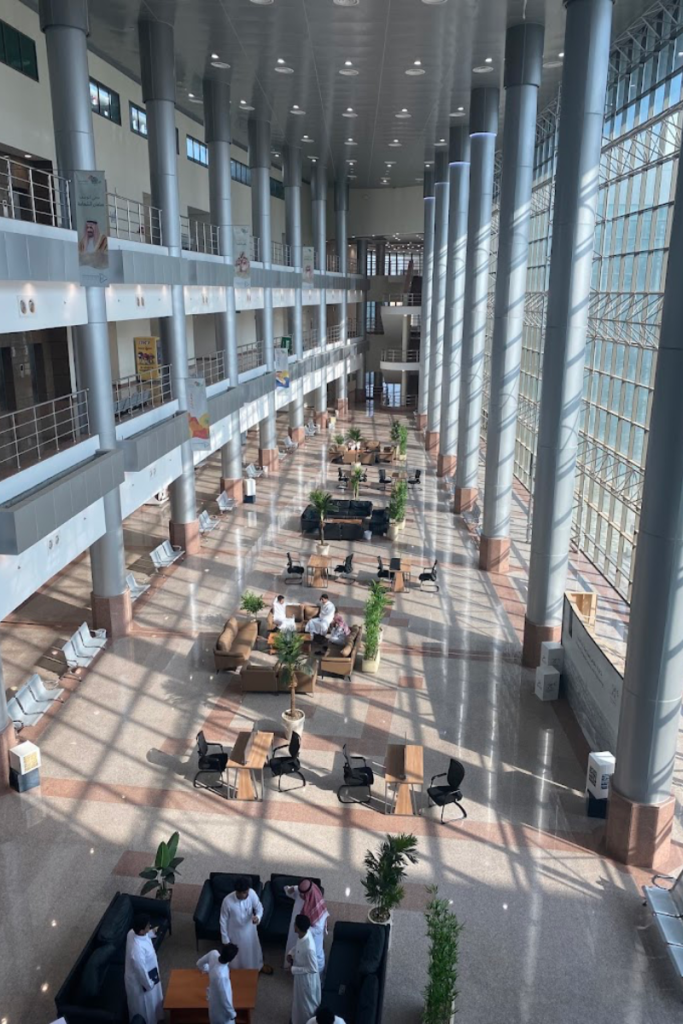
The University of Jeddah is much younger, but it has grown quickly since it was established in 2014. Its development has taken place alongside major changes in Saudi Arabia’s economy, and that is reflected in the programmes it has chosen to build. Technology is particularly prominent, with undergraduate options that include computer science, cybersecurity, artificial intelligence, data science, software engineering, and computer and network engineering.
These subjects are not tucked away as minor specialisations. They are central to the university’s academic identity, making it a natural place to consider for students interested in the digital economy and the industries continuing to develop around it.
The university is not limited to computing. Its 17 colleges and academic institutes also cover medicine, engineering, business, law, science, communication, languages, design, and sport sciences. Business students can choose between areas such as accounting, marketing, supply chain management, human resources, and management information systems rather than settling for one broad degree.
Because the university is still relatively new, it does not carry the same long institutional history as KAU. However, that can be part of its appeal. Its programmes have been created during a period when employers are placing greater value on technology, practical skills and graduates who can adapt as industries change. For students looking towards newer professional fields, the University of Jeddah deserves a closer look.
Effat University
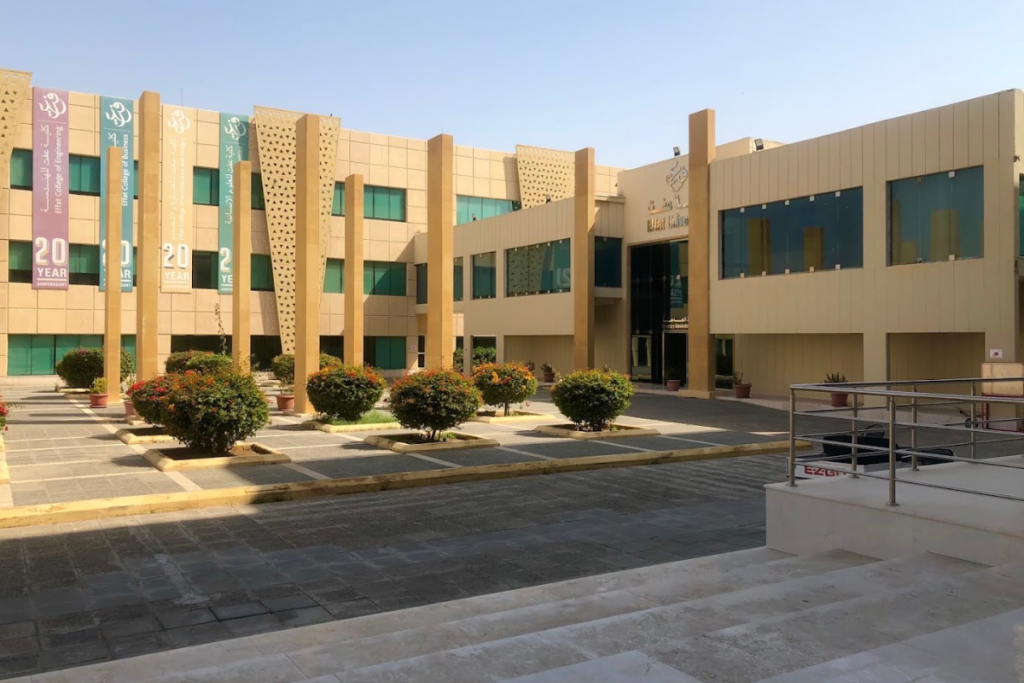
Effat University has a distinct place within Jeddah’s private higher education scene. It began in 1999 as an institution created to expand educational opportunities for women and has since widened admission to male students. That history remains an important part of its identity, particularly in fields where Effat helped create more routes for women to enter engineering, technology, business, and design.
The university is divided into colleges covering humanities, business, engineering, architecture, and design. Undergraduate programmes include computer science, electrical and computer engineering, finance, marketing, entrepreneurship, supply chain management, clinical psychology, digital media, English, and translation.
Architecture and design are among the areas most closely associated with university life at Effat. These are programmes built around studio work, presentations, critiques, and projects that gradually become part of the student’s professional portfolio. The experience feels very different from a degree based mainly on lectures and examinations.
Many programmes are taught in English, and the university has a clear international outlook. This may suit students considering postgraduate study overseas or careers in workplaces where English is used daily.
The academic community is smaller and more personal than the one found at Jeddah’s major public universities. Students are expected to participate, explain their ideas, and become comfortable speaking in front of other people. For someone who wants to build confidence alongside a qualification, that can become an important part of the experience.
Dar Al-Hekma University
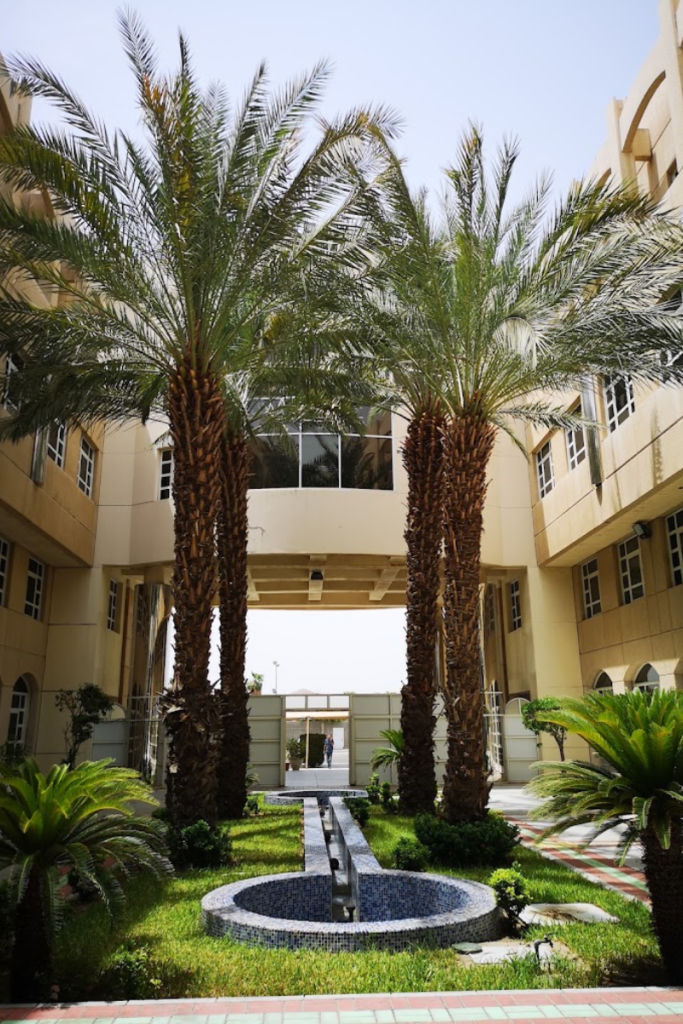
Dar Al-Hekma has earned its place among Jeddah’s established private universities by keeping much of its academic focus close to the professional world.
Its programmes sit across three main areas: business and law; education, health, and behavioural sciences; and engineering, computing, and design. This creates a varied selection that includes law, marketing, banking and finance, psychology, cybersecurity, interior design, and diplomacy and international relations.
Several of these subjects naturally require students to do more than listen and take notes. Law students need to build an argument and defend it. Designers need to present their ideas and explain the choices behind them. Psychology students must learn to approach evidence and human behaviour carefully rather than jumping to easy conclusions.
That makes discussion, presentation, and project work an important part of the university experience. Dar Al-Hekma also offers postgraduate study, allowing some students to continue into a master’s degree without leaving the same academic community. The smaller setting may suit those who want more direct contact with faculty members and a campus that feels easier to navigate than a large public institution.
Prospective students should look closely at the individual programme rather than judging the university only by its overall reputation. Studying interior design at Dar Al-Hekma will involve a completely different rhythm from studying finance or law. The course structure, faculty, and practical requirements are what will shape daily life.
University of Business and Technology
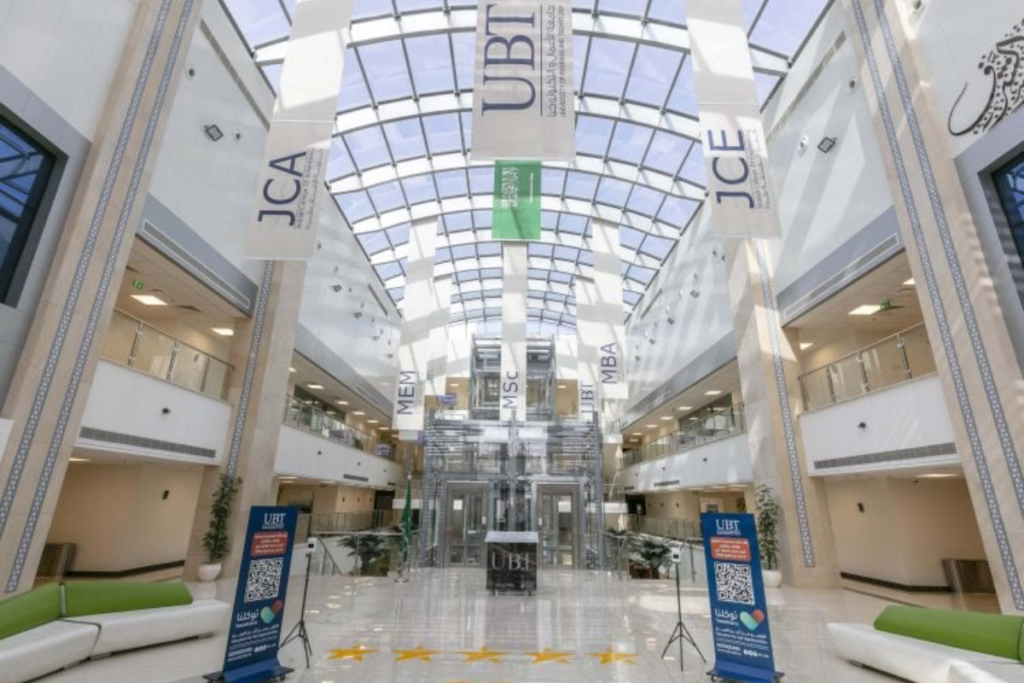
The University of Business and Technology has always been clear about its connection to the working world. UBT began with a strong business focus and later expanded into engineering, advertising, and law. Its bachelor’s programmes are now organised across the College of Business Administration, College of Engineering, Jeddah College of Advertising, and Jeddah College of Law.
The business school offers more detail than a single general management degree. Students can choose areas such as accounting, finance, marketing, human resources, supply chain management, and management information systems, allowing them to begin developing a more specific professional direction.
The Jeddah College of Advertising gives UBT another clear point of difference. Advertising and communication are treated as full academic fields rather than one or two modules attached to a marketing degree. This makes the university particularly relevant for students interested in the commercial side of creativity, branding, and media.
Presentations, case studies, and group projects are a regular part of studying subjects connected to business and advertising. They require students to organise their thinking, work with other people, and explain ideas clearly — all things that become difficult to avoid once they enter the workplace.
UBT is not only for future entrepreneurs. It also makes sense for students hoping to work in banks, law firms, engineering companies, agencies, and other parts of Saudi Arabia’s growing private sector.
Arab Open University
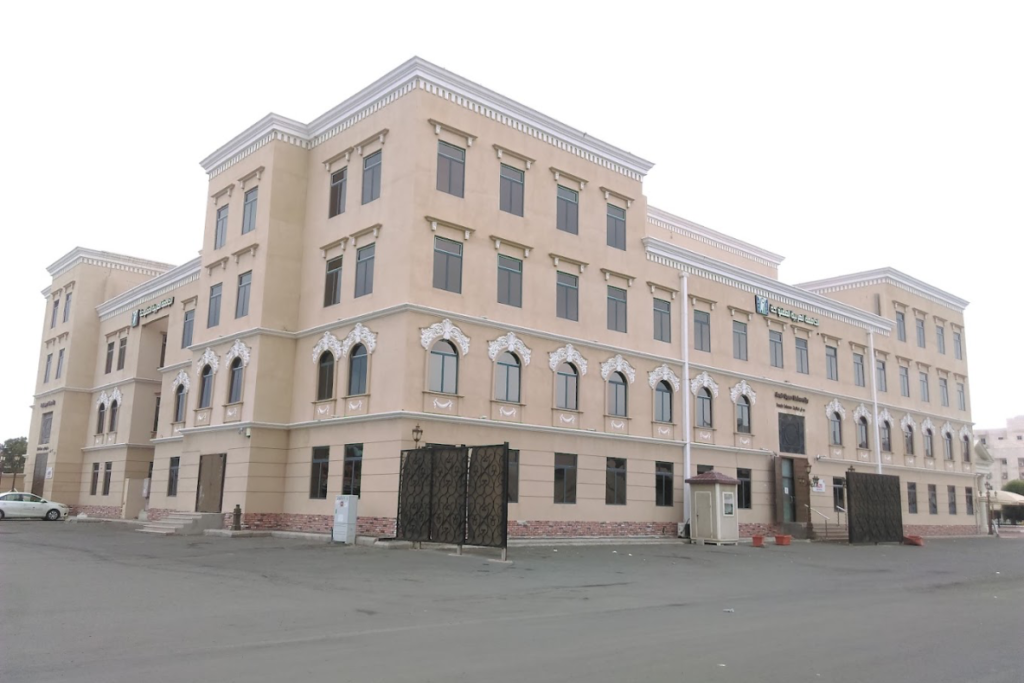
Arab Open University serves students whose lives do not fit neatly around a traditional university timetable. Its Jeddah branch uses a blended learning system that combines face-to-face classes, online learning, and more flexible study. That structure can make higher education more realistic for someone who is already working, caring for a family or returning to university after time away.
Programmes are concentrated mainly in business, computing, and language studies. Depending on the available track, students can study areas such as accounting, marketing, information technology, computer science, networks, web development, or English language and literature.
The flexibility does not mean the work disappears. Students still need to attend required classes, manage coursework, and keep up with material completed away from campus. In some ways, blended learning asks for more self-discipline because there is less of the daily structure that comes with being on campus throughout the week.
For the right person, however, that independence is exactly what makes the degree possible. Before enrolling, students should look carefully at how the chosen programme is delivered. It is important to understand how often they need to attend in person, when classes are usually scheduled, and how much of the course must be managed independently.
AOU works best when students choose it because its learning model suits their circumstances, not because they assume studying partly online will be easier.
Jeddah International College
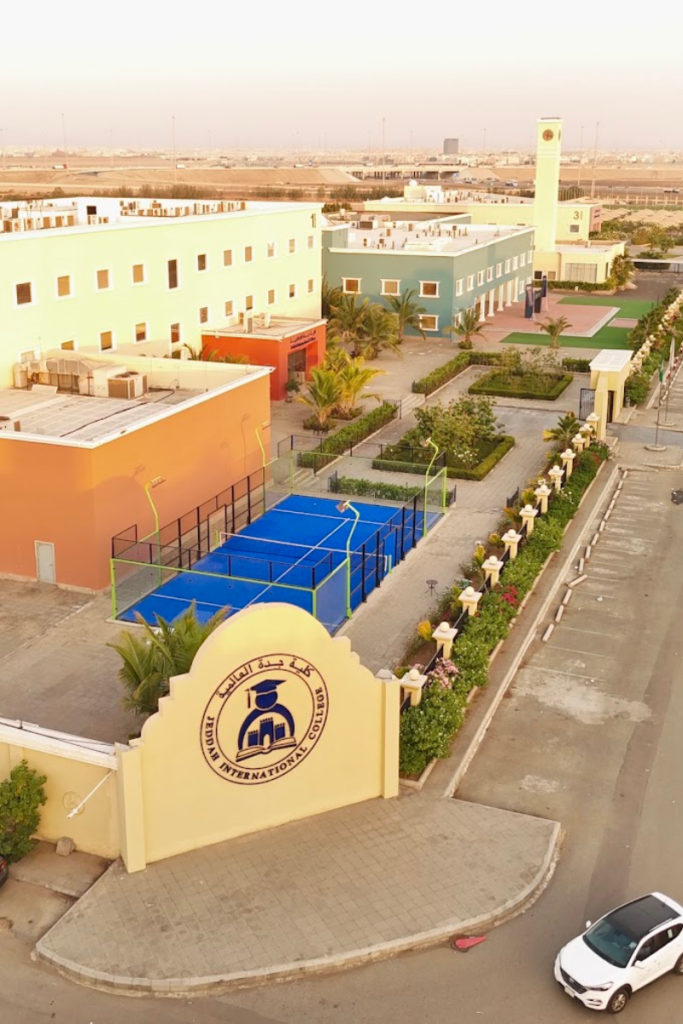
Jeddah International College offers a smaller and more focused alternative to the city’s large universities. Established in 2015, the private college has departments covering business, computing and information technology, design, engineering, law, tourism, and hospitality. It also offers postgraduate programmes, including an MBA and a master’s degree in digital marketing.
The range is wide enough to give students genuine choice without making the institution feel difficult to navigate. Someone interested in a practical professional degree can consider fields such as information technology, interior design, industrial engineering, law, or business within the same college.
The smaller academic setting may appeal to students who find the idea of entering a university with tens of thousands of people overwhelming. It can be easier to recognise lecturers, get to know classmates, and ask for guidance when the programme community is more contained.
JIC is particularly useful for students who already have a fairly clear idea of where they are heading. Its strength is not trying to cover every academic subject. It concentrates on a group of fields linked to business, technology, design, and developing industries.
Before applying, look beyond the degree title. The module list, internship requirements, and accreditation of the individual programme will reveal far more about what the student will actually spend the next few years doing.
Fakeeh College for Medical Sciences
Fakeeh College for Medical Sciences is built around one professional world: healthcare. Its undergraduate programmes include medicine and surgery, nursing, pharmacy, medical laboratory sciences and respiratory care. Postgraduate options are also available in several areas of nursing and medical education.
That specialist focus changes the atmosphere. Most students are working towards careers within the same broad sector, even though the roles they eventually take may be very different. A medical student, pharmacist, nurse, and laboratory specialist will not follow the same path, but all need to understand that healthcare is built around teams rather than one profession working alone.
The college’s connection with the wider Fakeeh healthcare network adds an important practical dimension. Medical education cannot remain inside lecture rooms and laboratories. Students eventually need to enter clinical settings, observe experienced professionals, and learn how knowledge is applied when real patients are involved.
Anyone considering Fakeeh should also be realistic about the commitment. Healthcare degrees are demanding, and graduation may be followed by internships, licensing requirements, or further professional training.
For students who are certain that healthcare is where they belong, a specialist institution can offer a stronger sense of direction from the beginning. The question is not whether the college offers enough unrelated subjects. It is whether the student is ready for the responsibility that comes with the field they have chosen.
How to Choose the Right University in Jeddah
A university’s name can start the conversation, but the programme itself should make the final decision. Begin with the curriculum. Look at the modules taught each year, the balance between theory and practical work, and whether internships, clinical placements, or industry projects are included. Two degrees with similar titles can lead to very different experiences.
Accreditation also needs to be checked carefully, particularly in medicine, engineering, law, and other regulated professions. Students who may later work or continue their education outside Saudi Arabia should ask how the qualification is recognised elsewhere rather than assuming it will transfer automatically.
Then come the practical questions. How long will the journey take during Jeddah traffic? Is the programme taught in Arabic or English? Are foundation courses required? What do the tuition fees include, and are scholarships or payment plans available?
A campus visit can answer questions that a website cannot. Students can see the laboratories, studios, and libraries; learn how academic advising works and decide whether the environment feels comfortable. Speaking to current students can be just as useful, particularly when it comes to registration, lecturer support, and how closely the programme matches what was promised during admissions.
Jeddah’s universities offer very different versions of student life. King Abdulaziz University provides scale, research, and one of the broadest selections of programmes in the city, while the University of Jeddah has made technology and emerging fields a central part of its growth. Effat and Dar Al-Hekma offer smaller academic communities with strong programmes across business, design, humanities, and professional subjects.
UBT keeps close ties to business, engineering, advertising, and law. Arab Open University gives students more control over how study fits around the rest of their lives. Jeddah International College offers a focused private-college setting, while Fakeeh College is designed for students preparing to enter healthcare.
The right university is not automatically the one everyone mentions first. It is the one where the programme, cost, location, and learning environment make sense together, and where the student can genuinely picture themselves building the next stage of their life.
Explore The Jeddah Atlas for more guides on student life, neighbourhoods, transport, cafés, libraries, and everything you need to make the most of university life in the city.